


The Ultimate Guide to Choosing Your Decking Material
One of the first, and most important, decisions you’ll make when building a new deck is this: “Should I choose wood or composite decking?”
As Round Rock’s trusted deck builders, we’ve helped hundreds of homeowners navigate this exact decision. The right answer? It depends on your budget, how much maintenance you’re willing to do, and how long you want your deck to last.
In this comprehensive guide, we’ll walk you through a side-by-side comparison of wood vs. composite decking, with a clear focus on how each performs in Central Texas weather. Whether you’re upgrading a small backyard space or planning a luxury build, this breakdown will help you make a smart, confident decision.
👉 Ready for a custom recommendation? Start here: Deck Installation in Round Rock TX
What Is the Difference Between Wood and Composite Decking?
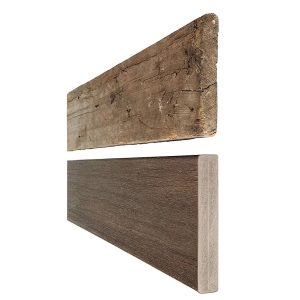
Before we get into performance and pricing, let’s define the materials:
Wood Decking
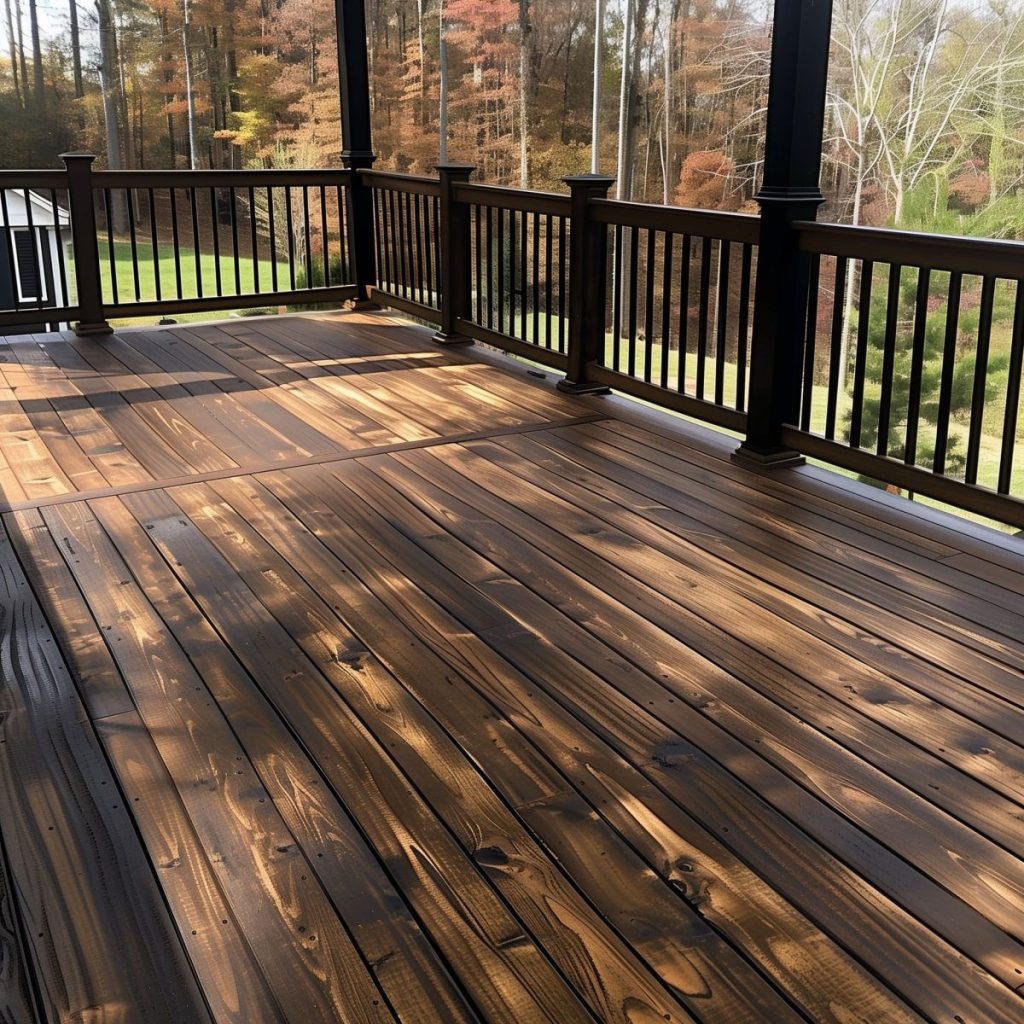
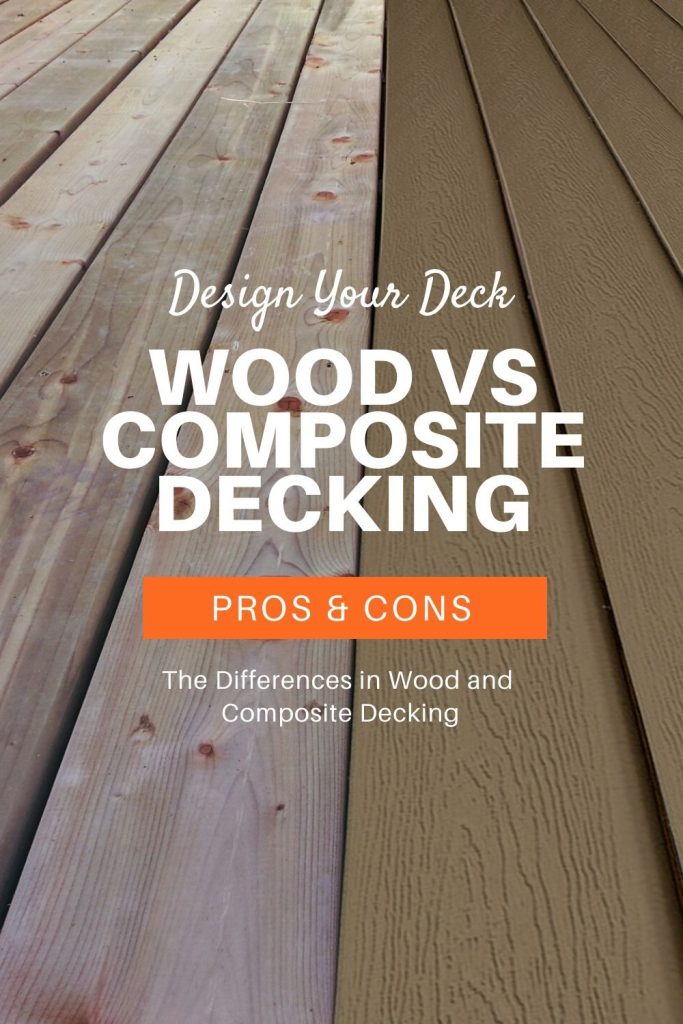
Natural lumber, such as pressure-treated pine, cedar, redwood, or tropical hardwoods like ipe. It must be sealed or stained to prevent rot and UV damage.
Composite Decking
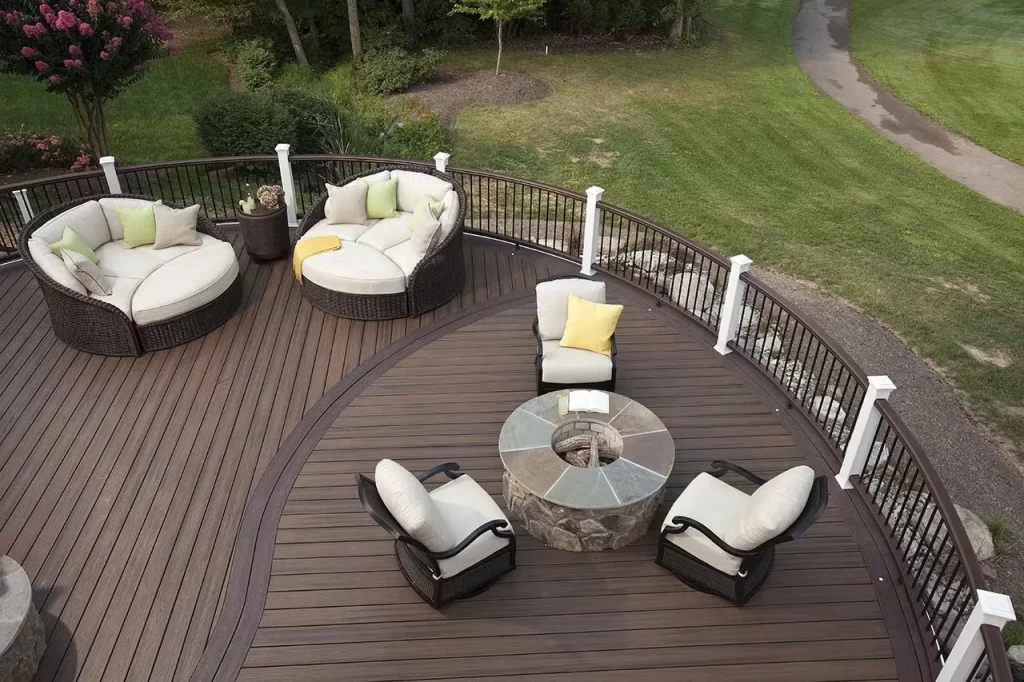
Man-made boards made from a mix of recycled plastic and wood fibers (or entirely PVC). It mimics the look of wood without requiring sanding, staining, or sealing. Popular brands include Trex®, TimberTech®, and Fiberon®—all of which we install locally in Round Rock.
Decking Comparison Table: Wood vs. Composite
Here’s a quick at-a-glance breakdown:
| Feature | Wood | Composite |
| Initial Cost | Lower | Higher |
| Lifespan | 10–20 years | 25–50 years |
| Maintenance | Annual staining/sealing | Occasional cleaning only |
| Appearance | Natural grain and texture | Consistent look, faux grain |
| Heat Retention | Cooler underfoot | Can get hot in direct sun |
| Mold/Rot Resistance | Needs sealing | Resistant |
| Color Options | Unlimited with stain | Limited, prefinished |
| Environmental Impact | Natural resource use | Often made from recycled materials |
| Fade Resistance | Needs UV protection | Built-in UV blockers |
Now let’s explore these differences in the context of Round Rock’s hot, humid, and sun-intense climate.
Wood Decking in Round Rock: Pros & Cons
Wood has been the traditional go-to material for decades. It’s timeless, budget-friendly, and can be tailored to any look.
✅ Pros:
- Lower upfront cost
- Warm, organic feel
- Easy to customize with paint or stain
- Ideal for small or medium projects on a budget
❌ Cons:
- Requires staining/sealing every 1–2 years
- Susceptible to warping, splinters, and rot in Texas humidity
- Can fade and crack under UV exposure
- Needs frequent cleaning to avoid mold
Verdict:
Wood is a good choice for homeowners who love natural aesthetics and are okay with regular maintenance. Pressure-treated pine and cedar are the most common choices for budget-conscious deck installation in Round Rock.
👉 Learn more: Deck Installation in Round Rock TX
Composite Decking in Round Rock: Pros & Cons
Composite decking has surged in popularity due to its low maintenance and long lifespan—especially in harsh climates like Central Texas.
✅ Pros:
- Won’t rot, splinter, or warp
- Never needs painting, staining, or sealing
- UV-resistant and fade-resistant
- Many modern styles and textures available
- Long-term cost savings due to low upkeep
❌ Cons:
- Higher upfront cost (materials + labor)
- Can retain heat in direct sun
- Less “natural” feel compared to real wood
- Some early-generation composites can scratch
Verdict:
If you’re planning to stay in your home for 10+ years and want a hassle-free, durable deck, composite is often the best long-term value, especially in Round Rock’s sun-soaked climate.
💡 We recommend light-colored composite boards and hidden fasteners to reduce heat and maximize comfort.
How Texas Weather Affects Your Material Choice
Round Rock homeowners need to consider UV exposure, temperature swings, humidity, and rainfall when choosing materials.
Wood Decking:
- Prone to fading and drying out without consistent treatment
- Moisture can lead to rot or mildew, especially on shaded decks
- Expansion and contraction in heat can loosen fasteners over time
Composite Decking:
- Performs better in fluctuating weather
- Doesn’t absorb water or rot—ideal for pool decks or outdoor kitchens
- May feel warmer underfoot, but resists cracking and splitting
👉 For second-story decks or shaded areas, either material can work well, with proper ventilation and drainage.
Cost Comparison Over 10+ Years
Let’s look at a sample 300 sq ft deck:
| Cost Element | Wood Deck | Composite Deck |
| Initial Build | $6,000–$9,000 | $9,000–$13,000 |
| Annual Maintenance | $300–$600/year | ~$50/year (cleaning only) |
| 10-Year Total | $9,000–$15,000 | $9,500–$14,000 |
While wood appears cheaper up front, maintenance and repairs often equal or exceed the cost difference over time.
👉 Want a personalized quote? Get a Free Deck Estimate in Round Rock
How Long Do Wood and Composite Decks Last in Round Rock?
In Central Texas, material lifespan is more than just a number, it’s a matter of how your deck performs under sun, storms, and time.
- Wood decks last 10–20 years depending on species, treatment, and upkeep.
- Composite decks last 25–50 years with minimal maintenance.
📍 In neighborhoods like Teravista and Paloma Lake, many homeowners are now replacing aging wood decks with composite options for long-term durability.
Maintenance Requirements: What You’ll Need to Do Each Year

Deck maintenance isn’t just cosmetic, it preserves structural safety and comfort.
Wood Deck Maintenance:
- Annual staining or sealing
- Cleaning to remove mildew
- Regular inspections for warping, rot, or pests
Composite Deck Maintenance:
- Occasional soap-and-water cleaning
- Rinse debris from between boards
- No staining, sealing, or sanding needed
💡 Maintenance fatigue is a big reason why many Round Rock homeowners are switching to composite decking.
Aesthetic Differences: Natural Beauty vs. Modern Consistency
Some homeowners love wood’s imperfect, rustic charm. Others want clean, uniform lines. Here’s how they compare:
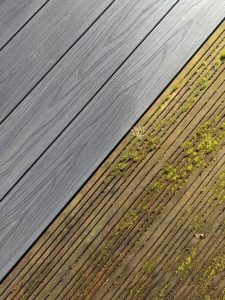
- Wood: Every board is unique, with rich grain patterns and color variations
- Composite: Mimics wood grain but offers consistency in tone and texture
👉 Pro tip: We offer composite lines with wood-look embossing and varied hues for a more natural feel without the hassle.
Which Decking Material Handles Texas Heat Better?
Central Texas summers are intense, how your deck material handles the heat matters.
- Wood decks (especially lighter stains) stay cooler underfoot
- Composite decks, especially dark colors, can retain heat unless you choose heat-reflective boards
☀️ We recommend light-colored composite boards with UV inhibitors for the best barefoot comfort.
Environmental Impact: Which Is More Sustainable?
If eco-friendliness matters to you, here’s the breakdown:
- Wood is biodegradable and renewable (when responsibly sourced), but it requires chemical treatments and frequent refinishing
- Composite decking is often made from recycled plastics and sawdust, reducing landfill waste and offering long-term sustainability
🌱 Both options can be environmentally sound if installed and maintained responsibly. Ask us about FSC-certified wood and LEED-compliant composite products.
Cost Breakdown: Upfront vs. Long-Term Value
Wood may win the initial price battle, but composite often wins the war.
| Material | Initial Cost (300 sq ft) | 10-Year Maintenance | Total Cost (10 yrs) |
| Wood | $6,000–$9,000 | $3,000–$6,000 | $9,000–$15,000 |
| Composite | $9,000–$13,000 | ~$500 | $9,500–$14,000 |
💰 Over time, composite becomes more cost-effective, especially if you don’t enjoy DIY upkeep.
How Each Material Performs in Poolside or Wet Areas
Wood and water don’t always mix well. That’s why:
- Composite decking is ideal near pools, spas, or irrigation-heavy landscaping. It won’t swell, rot, or harbor mildew.
- Wood decking must be sealed often and inspected for soft spots or splinters.
🏊♂️ In Round Rock neighborhoods with pools, composite platforms are now the go-to solution for comfort and safety.
Customization Options: Colors, Features & Design Flexibility
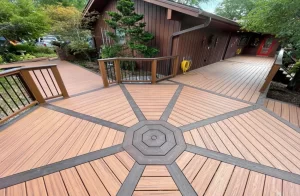
Today’s composite brands offer dozens of board colors, railing options, and even LED integration. But wood still has its place in customized designs.
Composite Pros:
- Uniform color across the deck
- Matching fascia, railing, and stair kits
- Hidden fasteners for sleek surfaces
Wood Pros:
- Unlimited stain/paint colors
- Easier to cut for unique angles or patterns
- More flexible for artistic or rustic designs
🎨 Both materials offer versatility, but composite requires fewer touch-ups to keep looking great.
HOA Considerations for Wood vs. Composite in Round Rock
If you live in a deed-restricted neighborhood like Forest Creek or Paloma Lake, you may need HOA approval before building your deck.
- Some HOAs prefer composite for visual uniformity and low maintenance
- Others allow stained or painted wood with guidelines on color and height
📋 We handle HOA submissions and make sure your materials and design are pre-approved, no surprises.
Should You Mix Composite and Wood? (Yes, Here’s How)
A hybrid approach can give you the best of both worlds. Some of our clients in Round Rock choose:
- Composite decking surface with pressure-treated wood framing (for budget savings)
- Wood posts or railing caps on composite decks for warmth and contrast
- Wood skirting or built-ins combined with composite floors for flexible function
👉 Ask about our custom hybrid builds during your free estimate, perfect for maximizing value without sacrificing style.
Which Should You Choose? Our Recommendation
We’ve installed hundreds of decks across Round Rock neighborhoods, from Paloma Lake to Teravista, and here’s what we recommend:
Choose Wood If:
- You’re on a tight budget
- You enjoy DIY maintenance or plan to sell soon
- You prefer a classic wood look you can refinish over time
Choose Composite If:
- You want minimal maintenance
- You plan to stay in your home long-term
- You want a sleek, modern look with consistent color
Either way, you’ll want a qualified builder who understands the Central Texas climate, and designs your deck with proper airflow, drainage, and weather protection in mind.
FAQs: Composite vs. Wood Decking
Q: Is composite decking worth the price in Texas?
A: Yes—especially over the long term. It resists warping, rot, and UV damage far better than untreated wood in this climate.
Q: Can you mix wood and composite on the same deck?
A: You can. Some homeowners use composite for the surface and wood for framing to save costs. We’ll help you balance both.
Q: What about resale value?
A: Composite decks tend to improve resale value more due to their longevity and low maintenance appeal.
Q: Which lasts longer?
A: Composite decking typically lasts 25–50 years. Wood lasts 10–20 years with excellent maintenance.
Let Prime Deck Builders Help You Choose the Right Decking Material
At Prime Deck Builders, we’re not here to upsell, we’re here to build the right deck for your needs, budget, and lifestyle. Whether you’re set on natural wood or curious about composite options, our team will guide you through every step with transparency and expert recommendations.
We install both wood and composite decks throughout Round Rock, including Forest Creek, Brushy Creek, Paloma Lake, and beyond.
👉 Explore Deck Installation Services in Round Rock TX
👉 Schedule a Free Material Consultation & On-Site Estimate
👉 See Our Recent Wood & Composite Deck Projects