


Don’t Let Nature Destroy Your Deck: Here’s What to Expect
Think deck staining is optional? We’ve heard it before:
“I’ll just leave the deck natural, wood’s supposed to age, right?” “I’ll stain it next season… or the one after that.”
If you live in Round Rock or anywhere in Central Texas, skipping deck staining is one of the fastest ways to ruin your outdoor investment. At Prime Deck Builders, we’ve restored and replaced hundreds of decks damaged by neglect. This guide walks you through the real consequences of skipping stain, from discoloration and cracking to full-blown rot. If you want your deck to last, this is the article to read before it’s too late.
👉 Already seeing damage? We can help: Deck Staining in Round Rock TX
1. Your Deck Will Turn Gray, Fast
Texas sun is no joke. With UV exposure year-round, unprotected wood begins to fade within a few months.
- First, the rich color bleaches into a dull gray
- Then, surface fibers dry out and become brittle
- Finally, grain patterns disappear under weather-worn texture
This graying may seem harmless, but it’s actually the first stage of surface decay. Once wood is weathered, it loses its ability to resist water and pests.
💡 Want to keep your cedar, redwood, or pine looking vibrant? Stain locks in that warm, natural color and keeps your deck looking like new.
2. Water Damage Sets In
Unstained wood acts like a sponge. When it rains, or when the morning dew settles in, your deck absorbs moisture. Over time, that leads to:
- Soft spots in boards and joists
- Swelling and shrinking that loosens nails
- Warping that makes boards curl or twist
- Mildew and rot, especially in shaded areas
In Round Rock’s humid summers and stormy springs, water-damaged decks are a weekly call for our team. If left untreated, water rot can destroy a wood deck in 5–7 years.
👉 Stop the damage before it starts: Schedule Deck Staining in Round Rock TX
3. Cracks, Splinters & Surface Breakdown
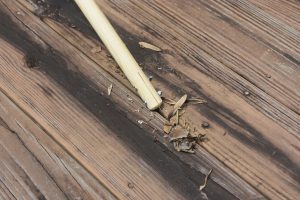
As UV rays dry out your deck, the wood becomes brittle. Combine that with the swell-shrink cycle from water exposure and you get:
- Hairline cracks that deepen into splits
- Splinters that pose safety risks, especially to kids and pets
- Boards that shift or pull away from the frame
Cracking isn’t just ugly, it’s a sign the structural integrity is failing. Once wood begins to splinter, stain won’t fix it, you’ll need sanding or even board replacement.
💡 Pro Tip: Staining also helps seal in natural resins that prevent splintering.
4. Mold, Mildew & Algae Growth
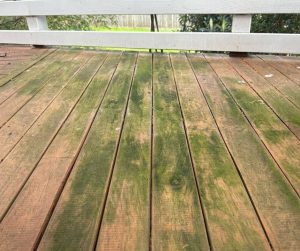
Letting moisture soak into wood—and stay there—creates the perfect environment for organic growth. In Round Rock, we often see:
- Black mildew along deck railings and floors
- Green algae in shady areas near trees
- Moss buildup along joints or stairs
Not only does this look terrible, it’s also slippery, hazardous, and destroys the wood from within. Regular staining prevents moisture from lingering long enough for growth to take hold.
5. Insect Infestation
Termites, carpenter ants, and wood-boring beetles are drawn to moist, unprotected wood. Once they settle in, it’s often too late to save the structure, especially in older decks. We’ve replaced entire decks in Round Rock neighborhoods like Forest Creek and Paloma Lake because of undetected insect damage.
💡 Staining isn’t a pesticide, but it acts as a first line of defense by making wood less penetrable and less attractive to pests.
6. You’ll Spend More in the Long Run
Neglecting stain may feel like saving money up front, but here’s what you’re actually doing:
| Neglect | Cost Over 5 Years |
| No stain, no maintenance | $4,000–$9,000 (repairs or full rebuild) |
| Annual cleaning + re-stain | $500–$1,000/year |
| Professional stain every 2 years | ~$1,500 total |
In many cases, homeowners who delay staining for “just a few years” end up calling us for deck replacement, not maintenance. And that’s a much bigger expense.
👉 See what smart maintenance looks like: Deck Staining in Round Rock TX
How UV Rays Cause Irreversible Damage to Untreated Deck Wood
The Texas sun is relentless, and its ultraviolet (UV) rays can cause severe damage to your deck’s wood if left unprotected. Over time, UV exposure breaks down the wood’s natural fibers, leading to weakening and discoloration that’s difficult to reverse. Without stain, your deck’s surface dries out, becomes brittle, and starts to crumble.
Key impacts of UV exposure on unstained decks include:
- Fading and bleaching of rich wood colors to dull gray
- Drying out of wood fibers, causing brittleness and surface cracking
- Loss of natural wood grain texture and sheen
- Accelerated aging and weakening of structural integrity
Applying a UV-resistant stain creates a protective shield that helps preserve your deck’s beauty and strength for years.
The Hidden Costs of Water Damage Beyond Surface Stains
Water is one of the biggest threats to untreated wood decks, especially in the humid climate of Round Rock. When decks aren’t stained and sealed, moisture penetrates deep into the wood, causing damage that often goes unnoticed until it’s severe. This hidden water damage affects not only the deck surface but also the supporting joists and framing underneath.
Water damage consequences include:
- Soft, spongy spots forming in boards and joists
- Wood swelling and shrinking, which loosens nails and screws
- Warping and curling of deck boards, creating uneven surfaces
- Mold, mildew, and rot development in shaded or poorly ventilated areas
Regular staining acts as a water repellent, sealing the wood and preventing moisture from compromising your deck’s foundation.
Why Unstained Decks Are More Prone to Warping and Structural Instability
Wood naturally reacts to moisture by expanding and contracting. However, untreated decks experience more extreme changes due to unsealed surfaces absorbing water and drying out repeatedly. This cycle leads to warping, cupping, and twisting of boards, which not only damages the deck’s appearance but also affects safety and longevity.
Common warping issues from neglected staining:
- Boards curling upward or downward, creating tripping hazards
- Gaps forming between planks due to shrinking and swelling
- Nails and fasteners loosening, causing squeaks and instability
- Increased stress on the deck’s frame leading to structural failure
Staining your deck minimizes moisture absorption, reducing wood movement and maintaining a stable, safe surface.
How Skipping Staining Creates Safety Risks for Your Family and Guests
Your deck should be a safe space for everyone who uses it. Unfortunately, an unstained, neglected deck can quickly become a danger zone. As wood cracks and splinters due to dryness and exposure, it can cause painful injuries. Additionally, moisture encourages slippery mold and algae growth, increasing the risk of falls.
Safety concerns with unstained decks include:
- Splinters that can injure children and pets
- Cracks and loose boards that can trip guests
- Mold and algae growth creating slippery surfaces
- Weakened railings and stairs due to wood degradation
By maintaining your deck with regular staining, you help keep it smooth, stable, and secure for your loved ones.
The Role of Stain in Preserving Your Deck’s Aesthetic and Property Value
A well-maintained deck significantly enhances the overall appearance of your home, adding warmth and inviting character to your outdoor living space. On the other hand, faded, cracked, or moldy decks can detract from your property’s curb appeal and potentially lower its market value. Regular staining keeps the wood looking fresh and can increase resale value by signaling to buyers that your home is cared for.
Benefits of staining on aesthetics and value:
- Restores and enriches natural wood colors and grain patterns
- Provides a fresh, clean look that enhances outdoor spaces
- Protects against discoloration, mold, and mildew stains
- Improves home resale value by maintaining structural integrity and curb appeal
Investing in staining is a cost-effective way to protect your home’s investment and enjoyment.
Also Read: Is Deck Staining Really Necessary in Texas?
How Deck Staining Helps Prevent Costly Pest Infestations in Texas
Round Rock’s climate is ideal for wood-damaging pests such as termites and carpenter ants. These insects are attracted to moist, unprotected wood, where they can establish colonies and cause extensive damage before detection. While staining is not a substitute for professional pest control, it acts as a crucial deterrent by reducing moisture and making the wood less inviting to pests.
How staining protects against pests:
- Seals wood to reduce moisture, discouraging insect habitation
- Creates a physical barrier that pests find harder to penetrate
- Helps maintain wood hardness, resisting boring and tunneling
- Allows early detection of pest damage during routine maintenance
Regular staining, combined with inspections, is key to keeping pests from turning your deck into a costly problem.
What Professional Deck Staining Includes: Beyond Just Applying Color
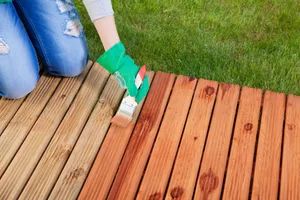
Professional deck staining is a detailed process that ensures optimal protection and a flawless finish. Professionals don’t just apply stain; they thoroughly prepare the surface for better absorption and durability. Proper cleaning, sanding, and repairs are essential steps to maximize the lifespan and appearance of your deck.
Typical professional staining steps:
- Power washing to remove dirt, mildew, and old finish
- Sanding rough or splintered areas for smoothness
- Repairing minor deck damage before staining
- Applying high-quality stain with UV inhibitors and water repellents
- Even, consistent application to avoid blotches or streaks
Hiring professionals guarantees a longer-lasting, more attractive finish tailored to Texas weather.
Signs It’s Time to Call a Deck Staining Expert Instead of DIYing It
While some homeowners try staining their decks themselves, many don’t realize when it’s best to call in the experts. If your deck is heavily weathered, moldy, or has old peeling stain, professional restoration is the safest way to ensure a beautiful and protective finish. Experts can also advise on the best stain types and application techniques for your specific wood and local climate.
When to hire professionals:
- When deck surface is extensively faded, cracked, or peeling
- If mold or mildew is widespread and hard to remove
- When you want the best UV protection and color longevity
- If you need repairs or sanding before staining
- To save time and avoid common DIY mistakes
Professional help often saves money and frustration in the long run.
Comparing Costs: Reactive Repairs Versus Preventative Staining in Round Rock
Many homeowners skip staining to save money upfront but end up paying more for repairs or even full deck replacement. Proactive maintenance through regular staining is an affordable way to extend your deck’s lifespan and avoid expensive fixes caused by rot, warping, and pest damage.
Cost comparison overview:
- Preventative staining every 1–2 years costs a few hundred dollars
- Repairs for rot, warping, or structural damage can cost thousands
- Full deck replacement costs tens of thousands of dollars
- Delaying maintenance increases risk of emergency repairs
Staining is a smart financial decision that protects your outdoor investment from costly deterioration.
How Texas Climate Extremes Accelerate Deck Wear Without Stain Protection
The weather in Round Rock is no friend to untreated decks. Extreme heat, strong sun, sudden heavy rains, and high humidity cause rapid deterioration in unprotected wood. This constant weather cycling wears away natural wood oils and fibers, accelerating cracking, fading, and decay.
Key climate challenges for unstained decks:
- Summer heat dries and cracks wood surfaces
- UV rays bleach colors and weaken fibers
- Flash storms cause moisture damage and swelling
- Humidity encourages mold and fungal growth
Regular staining is specifically designed to counteract these effects, extending deck life in tough Texan conditions.
We Discussed More About This Here: What Type of Deck Is Best for Texas Weather?
Environmental Benefits of Using Low-VOC and Eco-Friendly Deck Stains
Many modern deck stains now come in low-VOC or water-based formulas that are safer for your family and the environment. These eco-friendly options reduce harmful emissions during application and use more sustainable ingredients without compromising on protection and appearance.
Advantages of eco-friendly stains:
- Reduced airborne toxins and improved air quality during application
- Safer for pets, children, and sensitive individuals
- Often quicker drying times and easier cleanup
- Environmentally responsible ingredient sourcing
Choosing green stains supports healthy living spaces and a cleaner environment.
How Neglected Decks Affect Your Outdoor Lifestyle and Comfort
A damaged or worn deck discourages use. Rough surfaces, splinters, odors from mold, and unstable boards make your outdoor space uncomfortable and unsafe. Maintaining your deck’s finish preserves its function as a welcoming area for family, friends, and relaxation.
Lifestyle impacts of a neglected deck:
- Unpleasant rough or splintered walking surfaces
- Moldy or musty odors that reduce enjoyment
- Unsafe footing causing fear or injuries
- Unattractive appearance discouraging outdoor gatherings
Regular staining keeps your deck inviting, safe, and a true extension of your home.
The Science Behind Water Beading Tests: Knowing When Your Deck Needs Staining
An easy, practical test to check your deck’s stain effectiveness is the water beading test. This simple method reveals whether your deck’s protective layer is still intact or needs refreshing.
How to perform the water test:
- Pour a small amount of water on the deck surface
- If the water beads up and rolls off, the stain is still protective
- If the water soaks in or darkens the wood, the stain has worn off
- Repeat test on different areas to check overall coverage
This quick check helps prevent waiting too long to re-stain and avoid damage.
How Combining Deck Staining With Routine Deck Cleaning Extends Deck Life
Staining is most effective when paired with regular cleaning to remove dirt, mold spores, and organic debris. Cleaning before staining ensures better stain absorption and longer-lasting protection.
Benefits of regular cleaning plus staining:
- Removes harmful mildew and algae that stain alone can’t fix
- Prevents buildup that causes discoloration and decay
- Prepares wood surface for smooth, even stain application
- Extends time between necessary re-staining or repairs
A maintenance routine combining both keeps decks healthier and more attractive.
FAQs: What Happens If You Don’t Stain a Deck?
Q: How long will an unstained deck last in Texas?
A: 5–10 years at best. That drops significantly if your deck is in full sun or poorly ventilated.
Q: Can I restore a gray, neglected deck?
A: Yes—if the structure is still solid. We can clean, sand, and stain weathered decks to bring back their color and protect them moving forward.
Q: How do I know it’s time to stain?
A: Do the water test—splash a bit on the wood. If it absorbs instead of beading up, it’s time to re-stain.
Q: What if my deck is already splintering or cracking?
A: You may need board replacement before staining. We offer full deck evaluations to recommend the best path forward.
Protect Your Investment with Professional Deck Staining in Round Rock TX
Your deck is more than just lumber, it’s where you grill, gather, relax, and make memories. Without regular staining, that wood becomes fragile, faded, and unsafe, and fixing it later costs far more than protecting it now.
At Prime Deck Builders, we offer complete deck staining services tailored to Round Rock’s unique climate. We’ll clean, prep, stain, and seal your deck with industry-grade products designed for Texas weather.
📍 Serving Round Rock neighborhoods including Teravista, Brushy Creek, Paloma Lake, and beyond.
👉 Explore Deck Staining in Round Rock TX
👉 Get a Free Deck Protection Estimate Today
👉 View Before & After Photos of Restored Decks