


Making the Right Call for Your Deck, and Your Wallet
If your deck is splintering, sagging, or unsafe, you’re probably wondering: “Should I repair it, or just replace the whole thing?”
That’s a fair—and very common—question for Round Rock homeowners. Texas weather is rough on outdoor structures. The heat, UV rays, humidity, and storms can weaken even well-built decks over time. But the decision isn’t just about cost. It’s about safety, longevity, resale value, and how you want to use your space.
At Prime Deck Builders, we’ve been inspecting, repairing, and replacing decks across Round Rock for over 15 years. In this guide, we’ll break down the real differences between repair and replacement—including pricing, timelines, and when one makes more financial sense than the other.
👉 Need a pro to evaluate your deck? Start here: Deck Replacement in Round Rock TX
Signs Your Deck Needs Attention
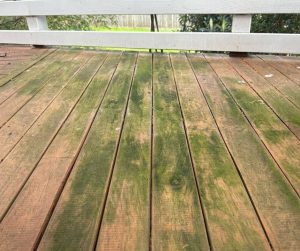
Before you decide whether to repair or replace, look for these common warning signs:
✅ Repairable Issues:
- Minor board cracks or splinters
- Faded stain or water rings
- Loose railings or stairs
- Rusted hardware
- Surface mold or mildew
These issues are usually cosmetic or minor structural and can be fixed for a few hundred dollars.
🚫 Replacement-Worthy Issues:
- Soft, spongy, or rotting joists
- Widespread water damage
- Shifting or sinking footings
- Ledger board separation from the house
- Deck frame built without pressure-treated lumber
- Insect or termite damage to the substructure
If your deck’s foundation is compromised, repairs are usually just a temporary patch—and not cost-effective long-term.
Deck Repair Costs in Round Rock
Basic repairs can range from $300 to $2,000, depending on scope. Here’s what most homeowners pay:
| Repair Type | Average Cost (Local) |
| Replace 5–10 boards | $500–$900 |
| Re-secure railing | $200–$500 |
| Resurface deck (no frame work) | $1,000–$2,500 |
| Clean + re-stain | $500–$1,000 |
| Hardware replacement | $150–$400 |
👉 We offer free deck assessments to determine whether your repair is safe, or if it’s just masking a bigger problem.
Full Deck Replacement: When It’s the Smarter Investment
A new deck may seem like the more expensive option up front, but it could save you thousands over the next 10–15 years.
Benefits of Replacing Instead of Repairing:
- Structural safety—new footings, joists, and framing
- Updated code compliance for stairs, railing, spacing
- Material upgrade—switch from rotting wood to composite
- Higher ROI—especially for resale
- Clean design slate—custom layouts, lighting, pergolas, etc.
We’ve seen too many homeowners pour money into repeated repairs on a 20-year-old deck when a full replacement would’ve been more cost-effective and longer-lasting. In Round Rock, full deck replacements typically cost $8,000 to $16,000, depending on size, elevation, and material.
Explore options here: Deck Replacement in Round Rock TX
Repair vs. Replace: Side-by-Side Cost Comparison
Let’s say you have a 250 sq ft aging wood deck:
| Option | Upfront Cost | Lifespan | Maintenance Needs | 5-Year Value |
| Repair ($1,500–$2,000) | $2,000 | 2–5 years | High | May require re-repair |
| Replace with Wood | $9,000 | 15–20 years | Medium | Good ROI |
| Replace with Composite | $12,000 | 25–40 years | Low | Best long-term value |
As you can see, repairing is only truly cost-effective if the deck frame is structurally sound and under 10 years old.
How Old Is Your Deck? Age Is the First Clue
The average deck lifespan in Round Rock varies by material:
- Pressure-treated wood: 10–15 years
- Cedar or redwood: 15–20 years
- Composite: 25–40 years
If your deck is approaching or beyond its expected lifespan, replacement is usually the smarter investment, especially if it’s already showing signs of structural fatigue.
🧭 Rule of thumb: If your deck is 15+ years old and needs more than $1,500 in repairs, get a replacement quote.
Is the Deck Frame Still Solid? Start Below the Surface
Even if the surface boards look worn, your deck might have a salvageable foundation. Here’s how to tell:
Signs of a Reusable Frame:
- Pressure-treated lumber used for framing
- Joists spaced 12″–16″ apart (code-compliant)
- No signs of rot, sagging, or shifting footings
- Solid attachment to the house via the ledger board
If the frame is sound, resurfacing might be all you need. If not, replacement is safer and more cost-effective.
Safety First: Is Your Deck Still Structurally Sound?
Safety concerns often tip the scale toward full replacement.
🚨 Red Flags That Require Replacement:
- Wobbly or leaning posts
- Sinking footings or shifting supports
- Loose or failing stairs
- Joist rot near hardware or hangers
Even a beautiful-looking deck can hide dangerous structural problems underneath. We recommend a full inspection every 5–7 years in Round Rock.
Has Your Deck Been Built to Current Code?
Many decks in neighborhoods like Brushy Creek or Forest Creek were built 15+ years ago, before modern safety codes for:
- Stair height and width
- Railing spacing and strength
- Joist spacing for composite materials
- Fastening systems (hidden vs. exposed)
Replacing your deck ensures code compliance, which is critical if you plan to sell your home or host gatherings safely.
Are You Constantly Spending Money on Repairs?
If you’ve made 2 or more repairs in the last 3 years—or spent more than $2,500 on upkeep—you may be in a repair loop.
🧮 Example:
- 3 board replacements: $750
- Annual stain/seal: $500/year
- Hardware fixes and railing reset: $1,200
After 3 years, you’re $3,000+ in. Compare that to a $10K–$12K composite replacement that could last 30+ years.
Does Your Deck Still Meet Your Needs? Function Matters Too
Even if your deck is “fixable,” it may no longer fit your lifestyle.
💭 Ask yourself:
- Is it too small for how you entertain?
- Do you want to add shade, lighting, or multi-levels?
- Would you rather switch to low-maintenance materials?
Repair might restore function, but only replacement gives you the chance to redesign your outdoor experience.
What Materials Were Used, and Are They Failing Prematurely?
Not all decks were built with quality in mind. We’ve seen many Round Rock homes with:
- Non-treated wood used for framing
- Improper fasteners that rust quickly
- Low-grade pressure-treated lumber prone to cracking
In cases like these, it’s often cheaper (and safer) to start fresh with better materials than to repair shoddy work.
How Weathered Is the Surface? It’s More Than Just Appearance
A weathered deck surface can be a sign of deeper problems. UV exposure, standing water, and unsealed wood often result in:
- Splintering, cupping, or split boards
- Raised fasteners that are unsafe underfoot
- Mold and mildew growth in shaded corners
In many Round Rock homes, surfaces degrade well before the frame, making resurfacing a smart halfway step between full replacement and basic repair.
Are You Planning to Sell Soon? ROI May Tip the Scale
If you’re selling your Round Rock home within the next 2–5 years, a new deck can boost curb appeal and increase resale value.
📈 According to national remodeling data:
- Wood decks return ~70% of their value
- Composite decks return ~65%, with the benefit of buyer-friendly low maintenance
A patched-together deck, on the other hand, might raise inspection concerns or reduce offers.
Want to Upgrade to Composite? You’ll Need a Solid Frame
If you’re eyeing a low-maintenance composite surface, keep in mind:
- Composite decking is heavier than wood
- Framing must be code-compliant and rot-free
- Joist spacing must be closer (12–16”) to prevent sag
We evaluate every frame before installing composite. If it doesn’t meet specs, we’ll recommend a full replacement to ensure safety and manufacturer warranty compliance.
Round Rock Weather & Your Deck’s Lifespan
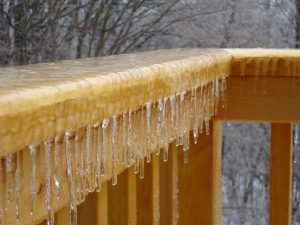
Image Source: What Type of Deck Is Best for Texas Weather?
Central Texas climate plays a huge role in how long your deck will last—especially if it’s made of untreated wood or installed without proper ventilation and water drainage.
Challenges Your Deck Faces in Round Rock:
- Extreme heat in summer = warped, cracked boards
- Flash rain and storms = water pooling and wood rot
- Humidity = mold, mildew, and soft joists
- UV exposure = fading, splintering, breakdown of wood fibers
👉 If your deck has stood up to 10+ Texas summers without consistent sealing or ventilation, it may be time for a full replacement.
FAQs: Repairing vs. Replacing a Deck in Round Rock TX
Q: How do I know if my deck is still safe?
A: Look for soft spots, joist movement, loose railings, or leaning posts. We offer free safety inspections to help you evaluate your structure.
Q: Can I reuse the existing frame and just replace the boards?
A: Possibly. But only if the frame is pressure-treated, free of rot, and spaced correctly per modern code.
Q: Will repairs affect my home’s resale value?
A: Temporary repairs may not impress buyers. A brand-new deck adds curb appeal and longevity—both important to home shoppers.
Q: Do you offer repairs, or just full replacements?
A: We do both! If your deck is a good candidate for repair, we’ll let you know. We never upsell when a repair will suffice.
Not Sure What to Do? Get a Pro Inspection First.
You don’t have to guess whether to repair or replace your deck. At Prime Deck Builders, we provide honest, pressure-free advice based on over 15 years of hands-on experience with Central Texas decks.
Our team will inspect your deck’s substructure, support system, materials, and surface, and give you a clear path forward.
📍 Proudly serving all Round Rock neighborhoods: Teravista | Forest Creek | Paloma Lake | Brushy Creek | and more
👉 Explore Deck Replacement in Round Rock TX
👉 View Before & After Photos from Real Rebuilds