


Why Skipping Stain Could Cost You Big in the Texas Climate
We get this question all the time from Round Rock homeowners: “Is deck staining really necessary in Texas? Can’t I just leave it alone?”
If your deck is made of wood, the answer is an emphatic yes, especially in Central Texas, where our harsh sun, seasonal storms, and humidity combine to break down even the toughest materials.
At Prime Deck Builders, we’ve spent over 15 years helping Round Rock residents protect and restore their decks. In this guide, we’ll explain why staining is more than just an aesthetic upgrade, how it actually extends your deck’s life, and when (and how often) you should do it.
👉 Looking for professional help? Start here: Deck Staining in Round Rock TX
What Happens If You Don’t Stain a Deck in Texas?
Texas weather is hard on wood decks. If you skip staining, here’s what you’re in for:
- UV Rays Bleach the Wood: The intense Texas sun dries out and fades unstained wood, turning it gray, dull, and brittle within months.
- Moisture Penetrates Deep: Without stain or sealant, water soaks into the wood. That leads to swelling, warping, and eventually rot.
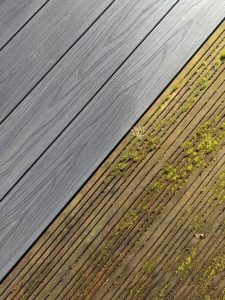
- Mold & Mildew Take Over: Humid air, especially in shaded spots, encourages growth that stains, weakens, and smells.
- Cracking and Splinters Multiply: Dry, sun-damaged wood becomes more prone to surface cracks and painful splinters.
- Lifespan Drops by 30–50%: A properly maintained deck can last 15–20 years. Unstained wood may only make it 7–10 years in Texas.
💡 In short: deck staining is your best line of defense against the natural breakdown of wood in Round Rock’s climate.
The Protective Power of Deck Stain
Stain isn’t just about color, it’s a functional weather barrier. Here’s how it works:
1. Blocks UV Damage
Premium stains contain UV inhibitors that reflect sunlight and slow down the fading and breakdown of wood fibers.
2. Repels Water
Stains (especially semi-transparent and solid ones) form a seal that prevents rain and humidity from penetrating the wood grain.
3. Prevents Rot & Insect Damage
Dry wood is safe wood. Stain helps avoid moisture buildup that leads to fungal growth and attracts termites.
4. Improves Appearance Instantly
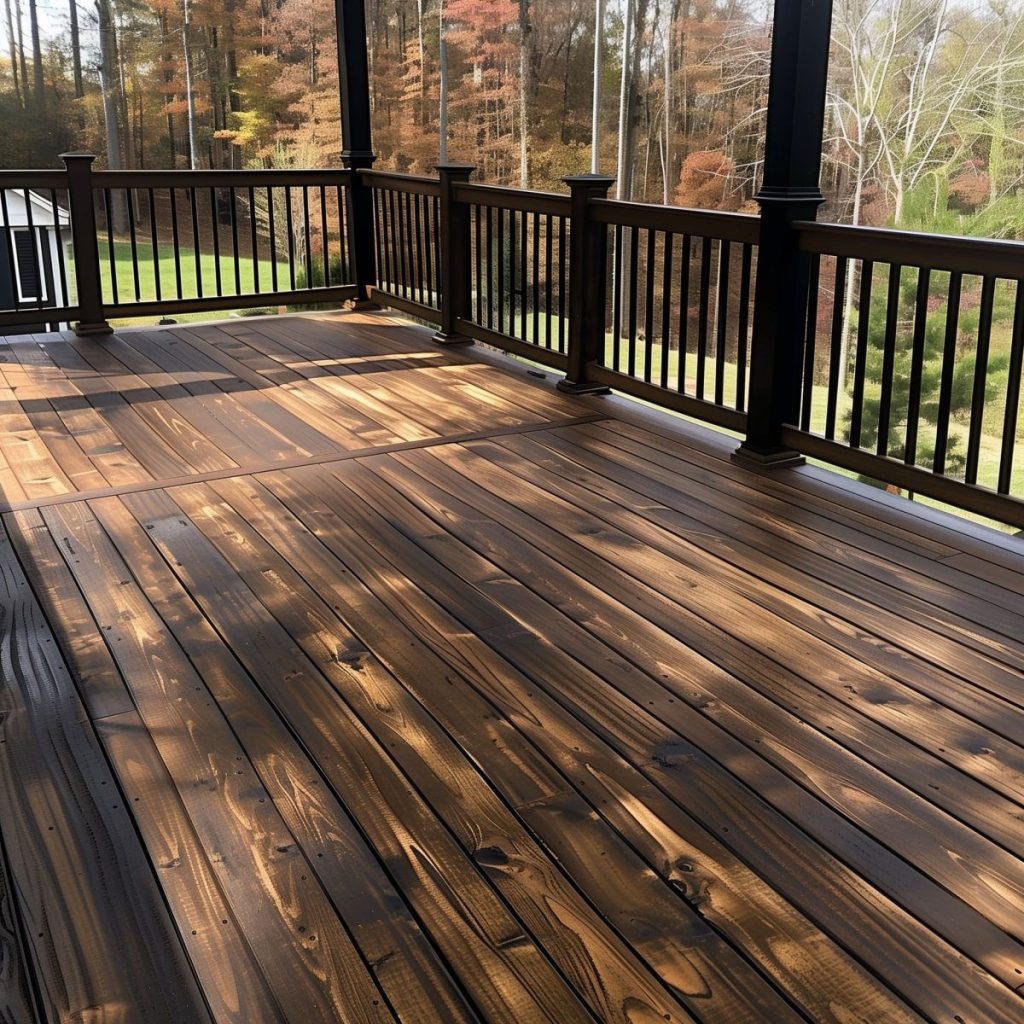
Whether you want a rich cedar tone or a deep mahogany hue, stain gives wood a clean, refreshed look, without paint’s peeling risks.
5. Extends Lifespan & Reduces Repairs
Stained decks require less sanding, board replacement, and deep cleaning over time.
👉 Learn more about our services: Deck Staining in Round Rock TX
How Often Should You Stain a Deck in Texas?
In Central Texas, we recommend staining:
- Every 12–18 months for transparent and semi-transparent stains
- Every 2–3 years for solid stains
- Immediately after new deck installation (after 4–8 weeks of curing)
This schedule protects against UV and moisture buildup. If your deck is in direct sunlight all day, consider yearly staining to avoid fast degradation.
💡 Test tip: Pour a small amount of water on the deck. If it beads up, you’re protected. If it soaks in, it’s time to re-stain.
Oil-Based vs. Water-Based Stains: Which Is Better in Texas?
Both have pros and cons, here’s how they compare for Round Rock homeowners:
| Feature | Oil-Based Stain | Water-Based Stain |
| Penetration | Deep into wood | More surface-level |
| Durability | Longer-lasting in sun | Shorter, but eco-friendly |
| Finish | Richer tone, natural grain | More color options |
| Dry Time | Slower (24–48 hrs) | Faster (4–6 hrs) |
| Maintenance | Harder to clean up | Easier cleanup & recoat |
Our recommendation:
- Use oil-based stain for pressure-treated wood, older decks, and maximum water resistance.
- Use water-based stain for newer decks, environmentally sensitive areas, and faster job turnaround.
We use both at Prime Deck Builders, depending on your deck’s needs and the desired finish.
How Texas Sunlight Accelerates Deck Wear and Fading
Texas is known for its intense, year-round sunlight. The UV rays emitted by the sun penetrate wood surfaces and break down lignin, the natural binder that holds wood fibers together. This degradation causes wood to lose its color and strength, turning decks gray and brittle faster than in cooler or cloudier climates. Without regular staining, decks become prone to cracking and splintering, which not only reduces aesthetic appeal but also safety. Staining acts as a shield, absorbing or reflecting UV rays to slow this damage, preserving your deck’s beauty and structural integrity over time.
Read Also: What Type of Deck Is Best for Texas Weather?
Central Texas weather is not just hot, it’s also humid, especially in summer months. Moisture in the air seeps into unstained or poorly maintained wood, causing it to swell and contract repeatedly. This constant movement stresses nails, screws, and joints, leading to loose boards and structural instability. Additionally, seasonal thunderstorms can cause water pooling on decks without proper drainage, accelerating rot and mold growth. A good quality stain forms a water-resistant barrier that prevents deep moisture penetration, helping wood maintain its strength through Texas’s fluctuating weather cycles.
Choosing the Right Stain Color for Heat Reflection and Aesthetic
The color you choose for your deck stain isn’t just about looks, it impacts comfort too. Light-colored stains reflect more sunlight and absorb less heat, keeping your deck cooler on hot Texas days. This is especially important for families with children or pets who spend time barefoot outdoors. Dark stains, while rich and elegant, absorb heat and can make your deck surface hotter, which might be uncomfortable during peak summer. Many modern stains now offer UV protection with a broad color palette, allowing you to balance beauty, durability, and comfort.
Also Read: Popular Deck Designs in Round Rock Neighborhoods
Preparing Your Deck Properly Before Staining
One of the biggest mistakes homeowners make is rushing the staining process without adequate preparation. Proper prep ensures the stain adheres well and lasts longer. Start with a thorough pressure washing to remove dirt, algae, and old finish residue. Then sand any rough patches or peeling areas to create a smooth surface. Finally, the deck must dry completely, usually 48 hours or more in Texas’s dry heat, to prevent trapping moisture beneath the stain, which can cause bubbling and peeling. Skipping any of these steps results in uneven coverage and shorter stain lifespan.
How to Identify When Your Deck Really Needs Re-staining
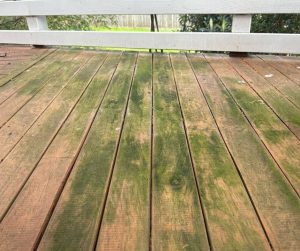
Not sure if your deck requires staining yet? Here’s a simple test: Pour a small cup of water on the deck boards. If the water beads up and sits on the surface, your stain is still protective. If it soaks in quickly and darkens the wood, it’s time to reapply stain. Additionally, look for visual signs such as chalky residue, fading color, peeling, or splintering wood. Catching these signs early prevents costly damage and preserves your deck’s structural health.
The Differences Between Semi-Transparent, Transparent, and Solid Stains
Choosing the right type of stain can feel overwhelming, but knowing the differences helps:
- Transparent stains highlight the natural wood grain and offer minimal UV protection, best for newer or well-maintained decks.
- Semi-transparent stains balance color and protection, allowing some wood texture to show while blocking sunlight and moisture.
- Solid stains look similar to paint, offering the most protection by fully covering wood grain and hiding imperfections, but they may peel over time and require more prep.
In Texas’s harsh climate, semi-transparent or solid stains are generally preferred for their better durability.
Preventing Mold and Mildew with Stain and Regular Cleaning
Mold and mildew thrive in the humid pockets of shaded or poorly ventilated decks. These fungi not only discolor your wood but also weaken its fibers, accelerating decay. Regular deck cleaning with mild detergents or specialized deck cleaners combined with timely staining prevents mold spores from taking hold. Stains seal the wood surface, limiting moisture absorption and making it harder for mold to grow, keeping your deck safe, attractive, and slip-resistant year-round.
We Discussed More on This Here: Is It Cheaper to Repair or Replace a Deck in Round Rock?
DIY vs. Professional Deck Staining: Pros and Cons
While staining your deck yourself might save money upfront, it requires time, skill, and the right tools. DIY projects often suffer from uneven application, missed spots, or insufficient surface prep, leading to patchy appearance and faster wear. Professionals like Prime Deck Builders bring experience, high-quality products, and techniques like spraying and back-rolling for even coverage. Plus, they handle prep work and weather timing to ensure the stain cures perfectly. Investing in professional staining means longer-lasting protection and less hassle.

How Deck Staining Protects Against Termite and Insect Damage
Though deck stain itself doesn’t kill or repel termites, it plays a critical role in insect prevention by keeping wood dry and sealed. Termites and wood-boring insects are attracted to damp, rotting wood. A well-maintained stain barrier limits moisture intrusion, reducing the likelihood of infestation. Additionally, regular inspections combined with staining help catch early signs of damage, so you can act before costly repairs become necessary.
Seasonal Timing: Best Months to Stain Your Deck in Round Rock
Timing your staining project for optimal weather conditions makes a huge difference. In Round Rock, the ideal staining windows are spring (March to May) and fall (September to November) when temperatures range between 50°F and 85°F with low humidity. Avoid staining during the intense summer heat or rainy seasons to prevent stain drying issues like blistering or poor absorption. Planning your staining in these mild months ensures better adhesion, longer protection, and a more beautiful finish.
How Often Should You Inspect Your Deck for Stain Wear?
Frequent deck inspections help homeowners stay ahead of staining needs. We recommend checking your deck every 3–6 months, especially after harsh weather events like storms or heatwaves. Look for peeling, fading, water absorption, or any structural issues. Regular visual inspections enable timely maintenance that prevents expensive repairs and extends the life of your deck investment.
Signs Your Deck Needs More Than Just Staining (When to Repair or Replace)
Sometimes staining alone can’t fix underlying problems. If you notice soft or spongy spots, sagging railings, loose boards, or severe cracking, it’s time to consult a professional about repairs or even replacement. Staining protects the surface but doesn’t restore structural damage. Addressing these issues promptly improves safety and prevents further deterioration.
Explore Repair Here | Explore Replace Here
The Environmental Benefits of Using Low-VOC and Eco-Friendly Stains
Many homeowners today want to protect their deck without harming the environment. Low-VOC (volatile organic compounds) and water-based stains reduce harmful fumes during application and are safer for your family, pets, and nearby plants. Eco-friendly stains often contain natural oils and biodegradable ingredients, making them an excellent choice for environmentally conscious Round Rock residents who still want superior deck protection.
Combining Deck Staining With Other Outdoor Maintenance Tasks

Maximize your outdoor care routine by pairing deck staining with other property maintenance tasks. Clean gutters and trim overhanging branches to reduce debris and moisture buildup on your deck. Regularly inspect fences and patio furniture for needed repairs. Landscaping improvements that promote airflow and sunlight exposure can also enhance your deck’s longevity. A holistic approach saves time and helps maintain the overall curb appeal of your home.
Why Prime Deck Builders Is Your Best Choice for Deck Staining in Round Rock
With over 15 years serving Round Rock and surrounding neighborhoods, Prime Deck Builders offers unmatched expertise in deck staining tailored to Texas conditions. We use premium stains, industry best practices, and thorough prep work to deliver beautiful, lasting results. Our transparent pricing, professional warranties, and customer-focused approach ensure you get value and peace of mind. Let us protect your investment and keep your deck looking its best year after year.
Does Composite Decking Need Stain Too?
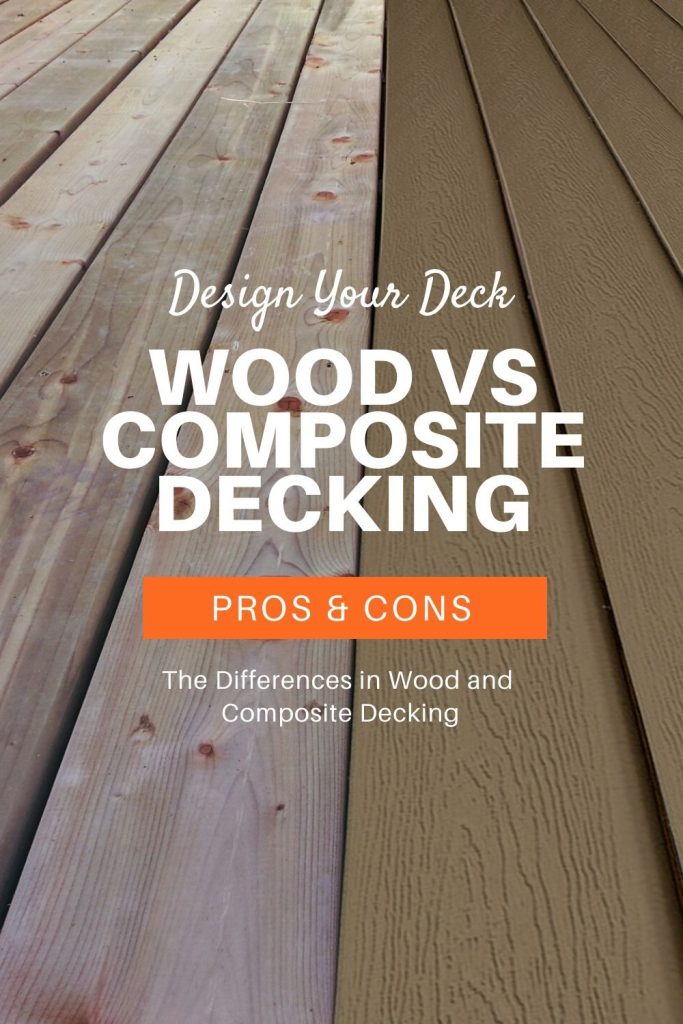
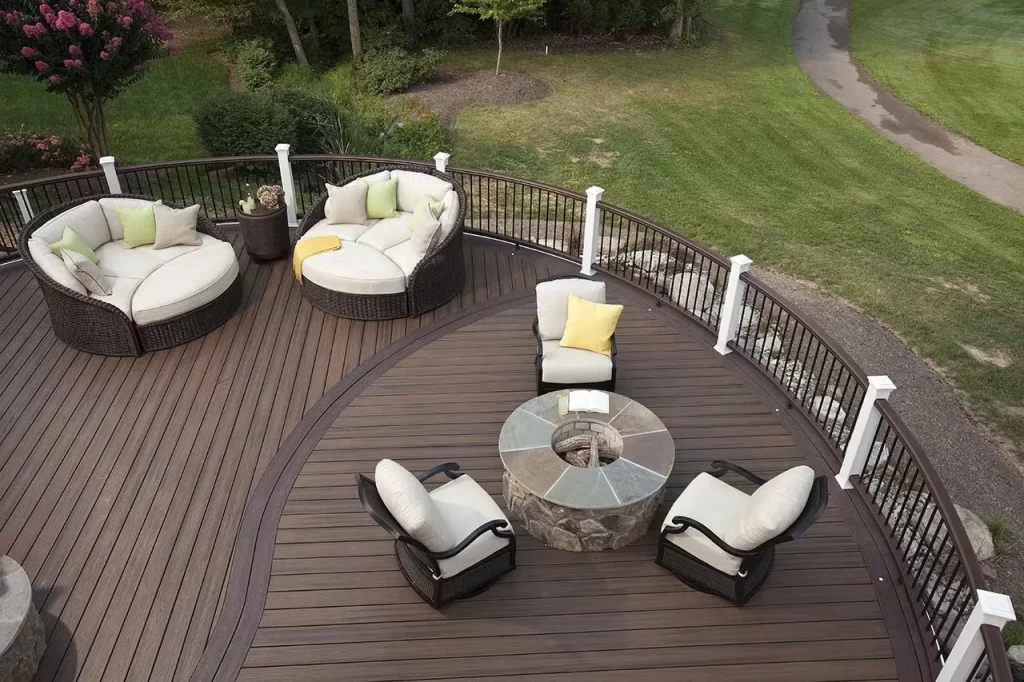
No. Composite decking (like Trex® or TimberTech®) does not require staining or sealing. These materials are made to resist UV, rot, and insects without treatment. However, if you have a composite deck with a wood railing or skirt, those wooden elements should still be stained regularly.
👉 Learn more about your options here: Wood vs. Composite Decking – What’s Right for Round Rock Homes?
FAQs: Deck Staining in Round Rock TX
Q: Can I stain my deck myself?
A: You can—but it’s labor-intensive and easy to mess up. Poor prep or uneven application can lead to blotchy color or poor protection. We recommend professional staining every few years to ensure lasting results.
Q: Should I pressure wash before staining?
A: Yes. Proper prep includes washing, sanding if needed, and letting the deck dry 48+ hours before staining.
Q: What if my deck is already gray?
A: We can restore it! Our team will clean and sand weathered decks to bring back their color before staining.
Q: How long does deck stain last in Round Rock weather?
A: 1–3 years depending on the product, sun exposure, and maintenance habits.
Professional Deck Staining in Round Rock TX
Staining a deck is not just optional maintenance, it’s essential protection in Texas. If you want your wood deck to last, look great, and stay safe for your family, staining it regularly is non-negotiable.
At Prime Deck Builders, we handle everything, from prep and cleaning to stain selection and expert application. Whether you have a new deck, a neglected surface, or an aging patio that needs rescuing, we’ll treat your wood like it’s our own.
👉 Explore Deck Staining in Round Rock TX
👉 Schedule Your Free Deck Stain Evaluation & Quote
👉 See Our Before & After Staining Projects