


Understanding Deck Lifespan & When It’s Time to Replace
Central Texas weather is no friend to aging decks. Scorching sun, surprise storms, heavy humidity, and dramatic temperature swings all take their toll. So it’s no surprise that one of the most common questions we get at Prime Deck Builders is: “How long does a deck last in Texas?”
The truth is, it depends. Not just on the material, but on how well it’s built, how it’s maintained, and how much abuse it endures.
In this guide, we’ll break down the average deck lifespan in Texas, warning signs of deck failure, and when to consider a full deck replacement. Whether you’ve just moved into an older home in Round Rock or your once-sturdy deck is starting to feel unsafe, this is the information you need.
👉 Is your deck showing signs of wear? Start here: Deck Replacement in Round Rock TX
Average Deck Lifespan by Material Type
Not all decks age equally. Here’s how long you can expect different materials to last in Central Texas, assuming proper installation and basic maintenance:
| Material Type | Expected Lifespan |
| Pressure-Treated Wood | 10–15 years |
| Cedar or Redwood | 15–20 years |
| Composite Decking | 25–30+ years |
| Capped PVC/Polymer | 30–50 years |
| Aluminum | 40–60 years |
💡 Important: These lifespans can vary based on sun exposure, water drainage, soil contact, and maintenance frequency.
Why Texas Weather Is Tough on Decks
The Texas climate accelerates wear and tear, especially on wood decking:
☀️ UV Rays
The intense sun breaks down wood fibers, dries out boards, and fades finishes. Without protection, UV exposure can shave years off your deck’s life.
🌡️ Extreme Temperatures
Deck materials expand and contract constantly during the hot summers and cold snaps, weakening connections and fasteners.
🌧️ Rain & Humidity
High humidity and standing water cause rot, swelling, and mold—especially in shaded or poorly ventilated areas.
🌪️ Storms & Hail
Sudden weather events with high winds or hail can physically damage boards, railings, and frames.
All these factors make deck replacement in Round Rock a smart move once materials begin to degrade beyond repair.
Warning Signs Your Deck Is Nearing the End
You don’t need to wait until your deck fails completely to consider replacing it. Here are the most common red flags:
1. Soft or Spongy Wood
If your foot sinks even slightly into the board, rot has likely taken hold underneath the surface.
2. Wobbling or Loose Railings
This isn’t just a cosmetic issue, it’s a safety hazard, especially for elevated decks.
3. Cracked, Warped, or Splintering Boards
One or two boards can be replaced, but widespread cracking usually signals structural fatigue.
4. Rusty or Popped Nails & Screws
Fasteners that no longer grip the wood can compromise stability and indicate rot around the frame.
5. Mildew or Mold Growth
This points to poor ventilation or drainage. It’s especially common in shaded areas that never fully dry.
6. Sagging or Uneven Sections
This could mean the footings or support beams have shifted, a major structural concern.
⚠️ If you’re seeing two or more of these issues, a full replacement may be more cost-effective (and safer) than ongoing repairs.
Repair or Replace? Making the Right Call
We often get asked: “Can I repair this, or do I need a whole new deck?”. Here’s a quick comparison to help you decide:
| Situation | Repair | Replace |
| One or two boards damaged | ✅ | – |
| Frame is solid, surface is worn | ✅ | – |
| Rot in beams or joists | – | ✅ |
| Deck is 15–20+ years old | – | ✅ |
| Frequent repairs are stacking up | – | ✅ |
| Layout no longer fits your needs | – | ✅ |
💡 We offer professional inspections to help you make the smartest investment, whether that means repairing a solid structure or replacing one past its prime.
Upgrading Your Deck: The Smart Way to Extend Lifespan
If you do need to replace your deck, it’s the perfect time to upgrade materials and features for the next 20–30 years of use. Here’s how to get more life (and value) out of your next deck build:
- Switch to composite or capped PVC: These materials won’t rot, warp, or need staining.
- Add better drainage: Use gravel pads or drainage systems under the deck to prevent standing water.
- Use hidden fasteners: No exposed nails or screws = less risk of rust or wood splitting.
- Add a pergola or roof: Protects your deck from UV damage and makes it more usable in all weather.
- Install lighting: For safety, ambience, and resale value
📍 Our team at Prime Deck Builders specializes in weather-smart designs that thrive in the Round Rock climate.
How Long Does a Deck Typically Last in Central Texas?
Texas weather takes a real toll on decks, but how long they last depends on what they’re made of. Wood decks, especially pressure-treated pine, tend to last 10–15 years, while composite and PVC decks can push 30–50 years with minimal upkeep.
Factors like sun exposure, moisture buildup, and material quality all influence lifespan. In neighborhoods like Teravista and Forest Creek, older wood decks are reaching the end of their lifecycle, especially if maintenance has been inconsistent.
What Wears Out Decks Faster in Texas Weather?
The Central Texas climate brings UV intensity, humidity, temperature swings, and storm activity, a harsh mix that accelerates deck aging. Here’s how:
- UV rays break down stains and dry out boards
- Extreme heat causes boards to expand, warp, and crack
- Humidity & rain lead to mold, mildew, and rot
- Sudden storms & hail can physically damage planks and rails
If your deck faces the sun all afternoon or lacks proper drainage, expect a shorter lifespan, unless you choose materials like capped composite or PVC.
Top Signs Your Texas Deck Is Nearing the End
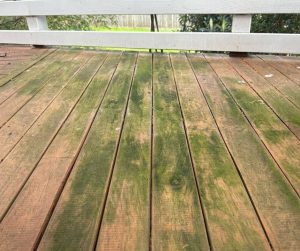
A worn-out deck doesn’t always collapse overnight, it shows warning signs first. Look for:
- Soft or bouncy boards underfoot
- Railings that move or feel unstable
- Boards that splinter, crack, or twist
- Rusted fasteners or nails that pop out
- Visible mold or mildew around the base
- Sagging or uneven areas across the deck
When two or more of these issues show up, a full replacement is usually more cost-effective, and safer, than trying to patch things up.
Deck Lifespan by Material: Which Lasts the Longest in Texas?
If you’re building or replacing, it pays to understand how materials stack up. Here’s a quick breakdown of deck lifespan in Texas conditions:
- Pressure-Treated Pine: 10–15 years (high maintenance)
- Cedar or Redwood: 15–20 years (requires sealing)
- Composite (Trex®, TimberTech®): 25–30+ years
- Capped PVC/Polymer (AZEK®): 30–50 years
- Aluminum: 40–60 years (premium, rarely used for full decks)
💡 Composite and capped PVC are ideal for Round Rock homes thanks to their resistance to UV, moisture, and insects, no sealing required.
Repair or Replace? How to Make the Right Call
Not sure whether to repair or fully replace your deck? Here’s a helpful guide:
- Repair if: Damage is limited to a few boards, and the structure is sound
- Replace if: There’s rot in the frame, multiple structural issues, or your deck is 15+ years old
Many older decks in Brushy Creek and Paloma Lake were built with pressure-treated wood and are now past their expected lifespan.
How to Make Your Next Deck Last Longer in Central Texas
When it’s time to rebuild, use that opportunity to upgrade your deck’s longevity. Here’s how:
- Choose composite or capped PVC decking for long-term value
- Improve ventilation and drainage to prevent rot
- Use hidden fasteners to reduce splitting and rust
- Add shade structures like pergolas to protect against sun
- Include LED lighting for safety and nighttime appeal
These upgrades can add 10–20 years of life, and reduce annual maintenance headaches.
Neighborhood Trends: Deck Lifespans Across Round Rock
We’ve replaced and repaired hundreds of decks across Round Rock, and the patterns are clear:
- Teravista: Older wood decks from 2010–2015 are fading fast
- Paloma Lake: Newer composite decks holding up well with little wear
- Forest Creek: Elevated decks with water exposure are rotting sooner
- Brushy Creek: Many original decks were never properly sealed, leading to frame issues
A full inspection can tell you whether your deck is aging gracefully, or quietly failing.
Also Read: Popular Deck Designs in Round Rock Neighborhoods
Lifespan by Neighborhood: What We’re Seeing Locally
We’ve seen a range of deck lifespans across Round Rock, based on neighborhood trends and construction styles:
- Teravista: Many homes built 10–15 years ago with pressure-treated decks now reaching the end of their lifespan.
- Paloma Lake: Newer homes using composite materials are aging gracefully with minimal issues.
- Forest Creek: Elevated wood decks are showing wear from sun and moisture, especially on north-facing properties.
- Brushy Creek: Some older decks are overdue for replacement due to outdated codes and rotting substructures.
If you’re not sure what’s under your deck surface, we can inspect it and give you a clear, honest recommendation.
👉 Schedule a Free Deck Estimate in Round Rock
FAQs: Deck Lifespan & Replacement
Q: Can I extend my wood deck’s lifespan?
A: Yes, with annual staining, sealing, and prompt repairs. But even the best-kept wood deck will eventually need replacement.
Q: Is composite worth the investment?
A: Absolutely. Composite lasts 2–3x longer than wood with a fraction of the maintenance. It’s ideal for the Round Rock climate.
Q: How do I know if the frame is still good?
A: We inspect all framing during estimates. If the structure is solid, we may be able to re-surface instead of rebuild.
Q: How long does it take to replace a deck?
A: Most projects take 1–2 weeks from demo to finish, depending on size, material, and permitting.
Schedule Your Deck Inspection or Replacement Today
Don’t wait until your deck becomes unsafe, or collapses altogether. If your outdoor space is aging, weather-worn, or no longer serving your family’s needs, we’re here to help you reimagine and rebuild.
With 15+ years of experience serving Round Rock, Prime Deck Builders delivers craftsmanship, clear pricing, and materials that last in Central Texas conditions.
👉 Get a Free Estimate for Deck Replacement in Round Rock TX
👉 Explore Our Completed Projects