


Choosing the Right Decking Material for Hot, Humid, and Storm-Prone Texas Homes
If you’re planning to build a deck in Texas, especially here in Round Rock, your material choice isn’t just about style or cost. It’s about survivability. The intense sun, unpredictable rain, high humidity, and seasonal storms make choosing the best deck type for Texas weather an essential part of the deck installation process.
As a homeowner in Round Rock, TX, you need a deck that not only enhances your outdoor living space but also holds up against UV exposure, heat waves, moisture, mold, and even hailstorms.
In this guide, we’ll help you make an informed decision, based on real-world experience, climate science, and the best practices we’ve developed at Prime Deck Builders over our 15+ years in business.
📍 Planning a new build? Start here: 👉 Deck Installation in Round Rock TX
Why Texas Weather Demands Smart Decking Choices
Let’s take a quick look at what makes the Central Texas climate particularly challenging for decks:
☀️ Intense UV Exposure
Texas gets more than 230 sunny days a year, and UV rays break down wood fibers and fade stains fast if the wrong material is chosen or not maintained.
🌡️ High Heat
During the summer, deck surfaces can reach over 150°F. Heat can warp boards, loosen fasteners, and make some composite decks nearly untouchable barefoot.
💧 Humidity and Moisture
Moisture causes mildew, warping, rot, and swelling, especially if you’re working with softwoods or untreated lumber. Texas humidity levels can exceed 90% in the summer.
🌪️ Sudden Storms and Hail
Fast-moving thunderstorms, occasional hail, and high winds mean you need a decking system that’s structurally sound and impact-resistant.
For these reasons, not all decking materials are created equal for Texas homes. Let’s explore your best options.
Best Deck Types for Texas Weather: Material Comparison
We’ll compare the most common decking materials for Texas homes and how they perform under local conditions.
1. Pressure-Treated Pine (PT Pine)
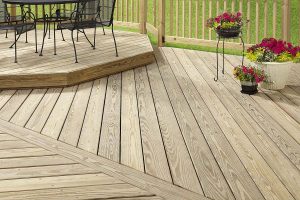
Pros:
- Affordable and widely available
- Pressure treatment resists insects and fungal decay
- Easy to stain or paint
Cons:
- Still vulnerable to UV and moisture damage without frequent maintenance
- Warps and cracks more easily than hardwood or composite in extreme heat
- Requires re-staining or sealing every 1–2 years
Is it good for Texas weather? Moderate. It’s a solid option for budget-conscious homeowners, but only if you’re committed to a regular maintenance schedule.
Best used for: Low-cost projects or temporary builds
👉 Learn more: Deck Installation in Round Rock TX
2. Cedar
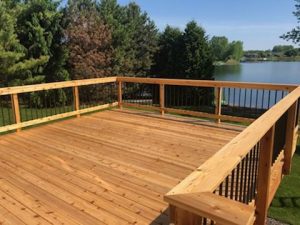
Pros:
- Naturally resistant to insects and rot
- Does not retain heat like composite
- Beautiful grain and warm color
Cons:
- Softwood = more vulnerable to impact damage
- Fades to grey if not stained/sealed regularly
- Moderate cost and moderate lifespan (15–20 years with care)
Is it good for Texas weather? Yes, with proper sealing. Cedar holds up better than pine but still needs annual maintenance in hot and humid climates.
Best used for: Homeowners who prefer a natural look and are willing to maintain it
📍 Cedar decks are popular in Brushy Creek and Forest Creek neighborhoods.
3. Redwood
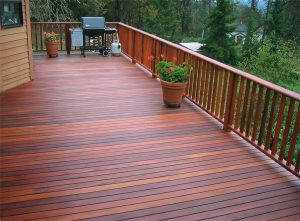
Pros:
- Stronger and more durable than cedar
- Naturally resists insects, decay, and warping
- Less prone to shrinking
Cons:
- High cost and less available in Texas
- Still requires staining every 2–3 years
- Color fades without treatment
Is it good for Texas weather? Yes, but the high cost and maintenance still make composites a better investment long-term for many homeowners.
Best used for: Luxury natural wood decks with a classic finish
4. Composite Decking (Trex®, TimberTech®, Fiberon®, etc.)
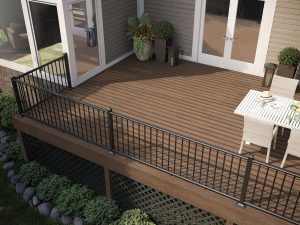
Pros:
- Excellent resistance to moisture, mold, and UV rays
- Won’t splinter, crack, or warp
- No staining or sealing required
- Long lifespan (25–30+ years)
- Available in many textures and colors
Cons:
- Higher upfront cost than wood
- Some composite brands can get hot in direct sunlight (choose lighter colors)
Is it good for Texas weather? Absolutely. Composite is the best deck type for Texas weather, especially in Round Rock where we see long summers and short winters. Newer technologies include heat-resistant surfaces and fade-resistant finishes that handle Texas summers with ease.
Best used for: Homeowners who want low-maintenance, high-performance decking that looks great for decades
👉 See composite deck projects near you
5. PVC and Capped Polymer Decking
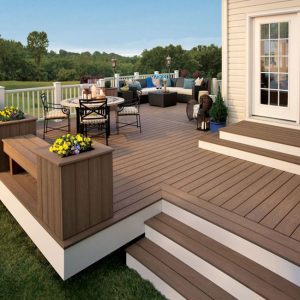
Pros:
- 100% synthetic, completely immune to rot and mildew
- Lightweight and water-resistant
- UV resistant and often cooler to the touch
- Extremely long lifespan (30–50 years)
Cons:
- Most expensive decking option
- May have a more “plastic” look than wood or composite
Is it good for Texas weather? Yes, especially in flood-prone areas or high-humidity zones. Brands like AZEK® and Wolf® are built for extreme climates.
Best used for: High-end outdoor spaces where performance and durability matter more than price
Best Deck Types by Budget & Lifestyle
Here’s a quick breakdown to help guide your decision:
|
Category |
Best Choice |
|
Budget-Friendly |
Pressure-Treated Pine |
|
Natural Wood Look |
Cedar or Redwood |
|
Low Maintenance |
Composite (Trex®, TimberTech®) |
|
Longest Lifespan |
PVC / Capped Polymer |
|
Eco-Friendly |
Composite (uses recycled content) |
|
Heat Resistance |
Light-colored composite or capped polymer |
Real-World Recommendations from Prime Deck Builders
At Prime Deck Builders, we’ve built thousands of decks throughout Round Rock, from Teravista to Paloma Lake. Our recommendations are based on firsthand experience, not manufacturer brochures.
Our Top Picks for Texas Weather:
- Trex Transcend® or TimberTech AZEK® composite decking – proven to last with minimal maintenance
- Cedar with high-quality oil-based stain – beautiful and effective with routine care
- Capped polymer PVC for luxury builds – unbeatable performance in humid, hot environments
📍 Want to see real examples? Visit our Deck Projects Gallery
Design Tips for Texas-Resilient Decks
Beyond materials, here are some features we recommend for decks in Round Rock:
- Covered or partially shaded decks – protect your deck from UV and your guests from heat
- Integrated drainage and ventilation – prevent moisture buildup under the deck
- High-quality fasteners – stainless steel or coated to resist rust
- Light-colored boards – reduce surface heat in direct sun
Need help designing a deck that stands up to Texas conditions? That’s what we’re here for.
👉 Deck Installation in Round Rock TX – Let’s build it right.
Understanding Thermal Expansion: Why Decks Shift in Texas Summers

Texas summers often reach triple-digit temperatures, and decking materials respond, some more than others. Thermal expansion causes boards to swell, contract, and shift, especially in the midday sun. This can lead to cupping, surface buckling, and widened gaps between planks if the material isn’t installed correctly or lacks expansion spacing.
Composite decking tends to expand across its length, while wood swells more across the width, each requiring a different fastening approach. High-performance materials like Trex® and TimberTech AZEK® are engineered with core stability to resist extreme movement, making them far more stable in Texas conditions than untreated pine or redwood.
At Prime Deck Builders, we account for thermal movement during installation, spacing boards correctly and using manufacturer-approved hidden fasteners that flex with the deck, not against it.
The Role of Deck Color in Heat Retention
Deck surface temperature matters, especially in Round Rock, where sun-soaked decks can get scorching hot by noon. The color of your decking material directly impacts its surface heat. Darker boards (like walnut or black walnut) absorb more solar radiation, reaching 150°F+ during peak heat, while lighter colors (such as sandy beige, light gray, or natural wood tones) can stay up to 30°F cooler.
For barefoot comfort and kid-friendly decks, we often recommend light-colored composite or PVC materials with UV-reflective technology. Brands like TimberTech® CoolDeck™ and Trex Transcend® Lineage are specifically designed to stay cooler underfoot, making them a smart choice for Texas decks.
Pro Tip: Shade structures like pergolas or built-in awnings can also reduce surface heat dramatically.
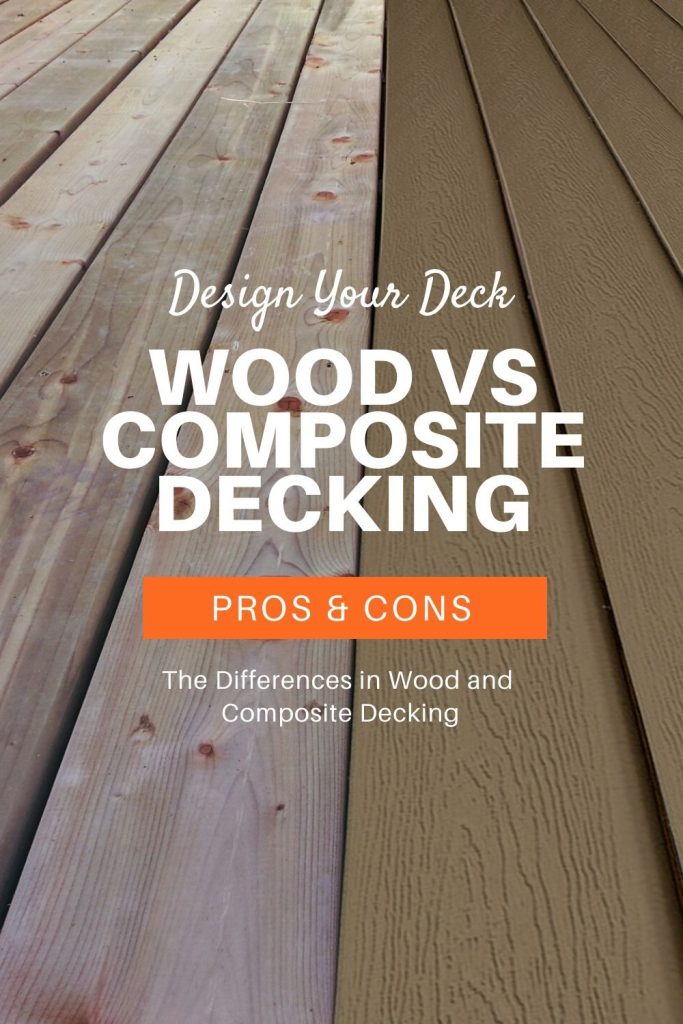
Maintenance Showdown: Wood vs Composite in Central Texas
If you’re weighing wood vs composite, consider not just upfront cost, but long-term care. In Central Texas, wood decks like cedar or pressure-treated pine require:
- Annual cleaning
- Staining or sealing every 1–2 years
- Regular inspection for mold, cracks, and rot
On the other hand, composite and PVC decks need only basic soap-and-water cleaning a few times a year. They resist fading, splintering, and warping even under harsh sun and humidity.
Over a 10-year period, composite decking often saves thousands in maintenance, especially when you factor in time, labor, and materials. For busy homeowners or rental properties, it’s hands-down the better option.
📍 Curious about long-term ROI? We offer side-by-side projections during your free estimate.
Storm-Ready Decks: Building for High Winds and Hail in Texas
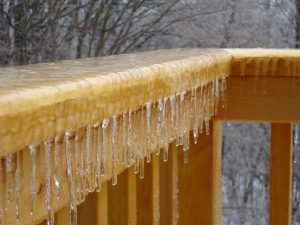
Texas thunderstorms often arrive fast and strong, with wind gusts over 60 mph and the occasional hailstorm. That’s why storm-resistant deck construction isn’t optional, it’s essential.
At Prime Deck Builders, we build every structure to exceed local building codes for wind uplift and lateral load resistance. We:
- Use deeper footings and stronger post anchors
- Reinforce ledger boards with galvanized brackets
- Space joists closely for better load distribution
- Choose hail-resistant decking materials like capped composite or PVC
These steps help prevent structural shifting, lifted planks, and long-term instability, especially in areas like Forest Creek or Paloma Lake, where elevation increases wind exposure.
Do Composite Decks Get Too Hot in Texas?
It’s a common concern, and a valid one: will composite decking be too hot to walk on in the summer? The truth is, early-generation composites did retain heat, but modern products have evolved. High-end composite lines now incorporate heat-dissipating technologies, reducing surface temperatures significantly.
For example:
- Trex Transcend Lineage® stays cooler under the sun than older composites
- TimberTech AZEK® PVC boards are up to 30% cooler than traditional capped composite
- Light tones like “Weathered Teak” or “Whitewash Cedar” stay barefoot-friendly even in July
If heat is a priority, we’ll guide you toward the right combination of material, board color, and layout to keep your deck comfortable all year.
HOA Compliance in Round Rock Communities like Teravista
If you live in a master-planned neighborhood like Teravista or Paloma Lake, your HOA likely has strict requirements for deck size, color, materials, railing height, and even finish. Prime Deck Builders works closely with HOAs across Round Rock and can:
- Provide detailed design mockups for board approval
- Use HOA-preferred materials (e.g., cedar or light-colored composite)
- Ensure setbacks, height limits, and railing specs are met
- Handle the full HOA submission process so you don’t have to
We’ve helped dozens of clients get swift, stress-free approval, saving time and ensuring peace of mind.
How Much Does a Texas-Resilient Deck Cost?
Deck pricing depends on material, size, complexity, and accessories. Here’s a general range based on what we build across Round Rock:
|
Deck Type |
Average Cost (Installed) |
Lifespan |
|
Pressure-Treated Pine |
$25–$35 per sq ft |
10–15 years |
|
Cedar |
$35–$45 per sq ft |
15–20 years |
|
Composite (Trex®, TimberTech®) |
$45–$60 per sq ft |
25–30 years |
|
PVC / Capped Polymer |
$55–$75 per sq ft |
30–50 years |
Higher-end options often pay for themselves in reduced maintenance, better durability, and higher resale value. And yes, we offer honest, line-by-line quotes with no pressure and no surprises.
Frequently Asked Questions
Q: What deck material lasts the longest in Texas?
A: Capped PVC and high-end composite decking can last over 30 years with little to no maintenance, making them ideal for Central Texas.
Q: Is wood decking still a good choice in hot climates?
A: Yes, but only if you’re prepared for regular sealing and maintenance. Cedar performs better than pine in Texas weather.
Q: Which deck type is best around pools or high humidity?
A: PVC or composite decking are the safest choices. They resist moisture, mildew, and are less slippery than wood when wet.
Ready to Build a Deck That Withstands Texas Heat?
Don’t let the Texas weather destroy your investment. With expert guidance and premium materials, you can enjoy a stunning, durable outdoor space for decades.
At Prime Deck Builders, we help Round Rock homeowners choose and install the best deck types for Texas weather, with options that match your budget, style, and long-term goals.
📞 Click below to schedule your free on-site consultation.
👉 Start Your Deck Installation in Round Rock TX
👉 Get a Free Deck Estimate